The importance of the winter decomposer cycle

Mike Harrington
Managing Director
The importance of the winter decomposer cycle
It is the beginning of November, and it is reassuring to see that nature’s autumn cycle is beginning. The time where digestion, recycling and humification occurs in active soil systems. We do not require an expensive test to see this. Our eyes tell us that this is an important time of the year with the arrival of the spider’s webs (fantastic predators), worms becoming active as the organic food sources increase, and plant growth reduces.
25 earthworms per cubic foot is 1 million worms or 30 tonnes of earth cast-acre-year. The best castings I have measured to date over an eight-week autumn period is 41 tonnes per hectare. Earthworms create a reduction in the bulk density of soil, increase in cation exchange and structural stability, and increase nutrient availability (can be as high as 5 times more nitrogen, 7 times more phosphorous, 11 times more potassium, 2 times more magnesium). Recent scientific studies have shown earthworms can reduce Fusarium protein by 98.8% in five weeks, while Deoxynivalenol (DON) content was reduced by 99.7%. All in all, where could we achieve anything like this with an applied product?
Darwin and Pfieffer both talk of worms as humus builders, and I believe they must be right because all studies show substantial increases in CEC (increased soil holding power).
Nutrients that are cycled can be held within the soil until required, and because growth is slowing down, lignin and organic matter from the previous season is dropped as debris or roots increases. This is the fungal period for digestion without the masses from the bacterial city interfering, the food source is all theirs. All in all, it is in balance to the spring’s mineralisation period (release and utilisation).
The pictures below show nature taking its place in the foodweb doing what has been done for millennia and without human interference. For those within the ‘regenerative’ or ‘organic’ paradigm this is easily seen because organic matter building becomes the main driver, not nitrogen, and is a hugely important time in the year for the soil system to function to best effect. Within the more intensive system, this must be funded, and so if you are on land with depleted organic matter, having crops grown with the increased application of nitrogen and the management of disease with fungicides (chemicals toxic to all fungi), we develop a system wholly reliant on products.
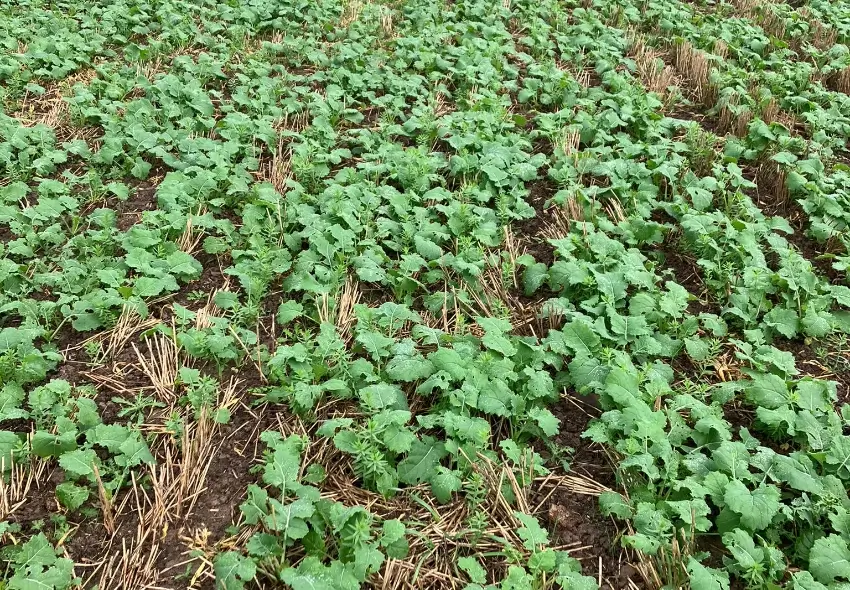
Image 1 below shows clearly what nature can do and image 2 shows a fungal infection on manure. Autumn conditions are currently perfect for this process of digestion and cycling.


Given the opportunity, nature will always move into a food source - in image 3 we have spiders beginning to colonise a muck heap looking to capture prey. The soil is no different. Merlin Sheldrake talks of over half a billion tonnes of fungal spores being released into the atmosphere on an annual basis. Each breath we take could have 1-10 fungal spores so the potential for fungi to recolonise according to the correct environment is incredibly strong. The issue is that our intensive farming systems cause soil environments that are not conducive for colonisation and that leads to compromised and unstable systems reliant on inputs.
The decomposer slide is from a Biodynamic calendar charting the year and its biological cycles. We can see clearly the balance between winter being the decomposer building cycle (Humification) and the spring/summer energy release cycle (mineralisation), they need to balance correctly. In many farming systems we do not have the winter system at all and if there is not enough carbon/lignum, the whole soil food web is compromised.
For those moving into a ‘regenerative’ style system it is important to remember that the foundation of the soil is about renewal and preservation, so adequate air and water are important.

However, it is the consistent carbon food source that is essential and, for compromised systems, having a cover crop once in every three to five years, is not consistent enough to build that resilience. It is boom and bust for the soil microbial community. Regular carbon capture or applications of carbon are essential to build a system that is stable, resilient and diverse and this takes time and effort.
Methods to increase microbial populations:
- Photosynthesis & root exudates
- Increasing plant diversity - rotation, catch crops & cover crops, companions
- Organic manures & composting
- Liquid carbon sources
- Minimising soil disturbance but air is key
- Keeping soils covered - residues & plant growth
- Reducing pesticide & in-organic fertiliser inputs
- Microbial inoculants
The solution is not one of the above but all of the above until the system and the cycle of natural fertility begins to recover.