Regenerative Farming or Adaptive Intelligent Farming?
From Nitrogen Dependence to a Carbon-Led Approach
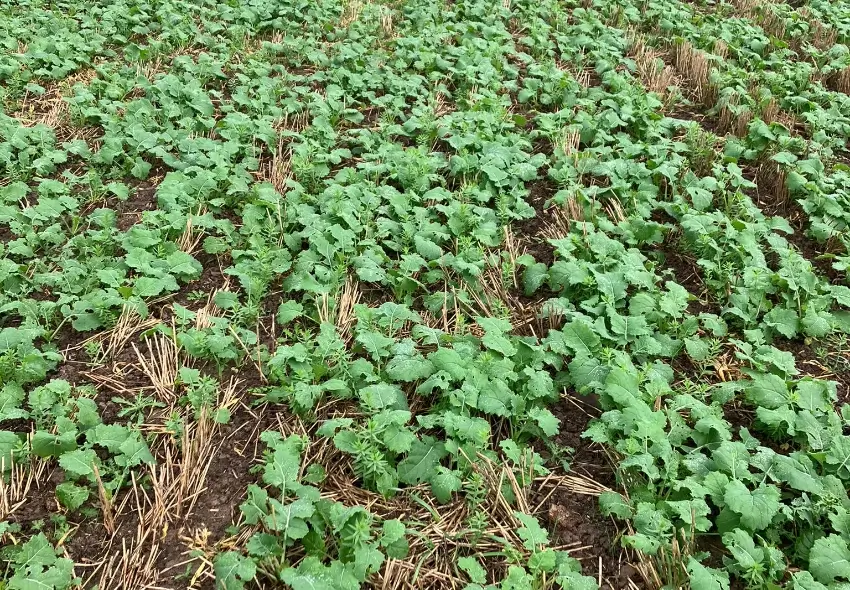
With regards ‘regenerative’ farming we need to realise that the journey is unique to each farm. This being rather alien to the current intensive system with farms across the country using the same fertiliser and chemicals in the identical way over many years. This is usually a product dominated system driven by Nitrogen, which, requires a change of direction towards a carbon led system for a conversion to begin. We must understand that with our existing paradigm, crops are generally farmed in isolation to nature, completely managed without due care to natures influences which has led to soils degenerating and the depletion of organic matter.
The same has been true of the early environmental schemes being placed in small areas that are non-inclusive, again in isolation to the farm unit. We are looking to include the environment/environmental schemes creating connection over the farm to aid in a reduction in the costs of farming and creating a more inclusive and holistic approach. This then leads to a discussion, not about chemicals or Nitrogen usage as a base, but about how to create a farm system that is fully connected to its environment where we look for carbon to be the leading element captured and recycled by the soil microbiome to build, maintain, and manage soil. This is what we would like to describe as adaptive, intelligent farming, making the right decisions at the right time, moving the farm towards a more sustainable future increasing profitability and, for many, also increasing yield. We look to include the below ground microbiome and the above ground eco system of which are both intimately connected and therefore must be considered as one. Both, in terms of scientific measurement, have been collapsing with catastrophic reductions in insect numbers and species this last two decades. To believe we can live and farm without these interconnections suggests we have no understanding about the wider picture whatsoever. Everything is connected to everything.
Connecting and Learning: The 'Time to Talk' Regenerative Farming Network
We have many farmers now into their second decade of ‘regenerative ‘farming and they are all available to discuss techniques, successes, and failures and they are very happy to offer farm visits as well as hosting our small group educational ‘Time to talk’ meetings across the country. For those leading change, it has led to a drop in all chemical usage with fungicides and growth regulators now not required and insecticides being dropped. We often say that we must earn the right to reduce inputs, but we simply have a different method of management making chemicals redundant, this suggests that every problem is a weakness in the system. In the old system we use a
Treating the Cause, Not Just the Symptoms: The Regenerative Approach
chemical to manage the symptoms but ignore the conditions that have caused the problem. Many regenerative instigators have, over the years, managed soil health and connection, building organic matter within the soil system creating a deep connection in the soil and its developing microbiome. This leads to a system that collects, digests, retains and recycles, offering a contribution to the growth, health and yield of the crop that allows us to reduce purchased inputs and short-term chemical solutions. Farms have been able to increase yields, reduce soil applied Nitrogen down to between 50-80kg per hectare on wheat plus create a resilient crop that does not require fungicides, regulators, or insecticides. Potassium indices have increased, and nutrients are more available simply because we are working with soil and nature which allows connection. Whether using cover crops or a herbal ley, these deep rooting connections are hugely important in collection and cycling. Our traditional view on Potassium and Phosphorous through RB209 is now redundant, in effect it is not fit for purpose within this farming scenario.
There is a dilemma for many farms and that is the implication that ‘regenerative’ farming is just a blip. Sorry to suggest this, but intensive farming is the blip, launched some 80 years ago and is now in decline simply because it creates the problems we have and has destroyed infrastructure and promoted pollution. The second issue is the blending of two systems. This isn’t necessarily an issue, but one has to ask what is the reason that you wish to change. We still need to consider that carbon is the basis for farming, and not Nitrogen. Whilst Nitrogen and chemicals rule the roost, then changes to soil become a slow or negative process. Growing a modest cover crop once every three-four years, staying with tight rotations and chemical based solutions does not provide the impetus for change. This may make your system more profitable in the short term but does not create the link and connection we are looking for to dynamically change to ‘regenerative’ agriculture.
Conclusion
The skill and understanding on how this is achieved is what farming is all about and offers the true value of how we understand the farm, the environment, its commitments, and its future. It all becomes a big part of how change is implemented.
This process begins with a change in ones thinking, open your mind to the prospect that things can be different, if you would like to ask any questions whatsoever then please do feel free to contact us.